I Just Want to Tell You That I’ve Missed You
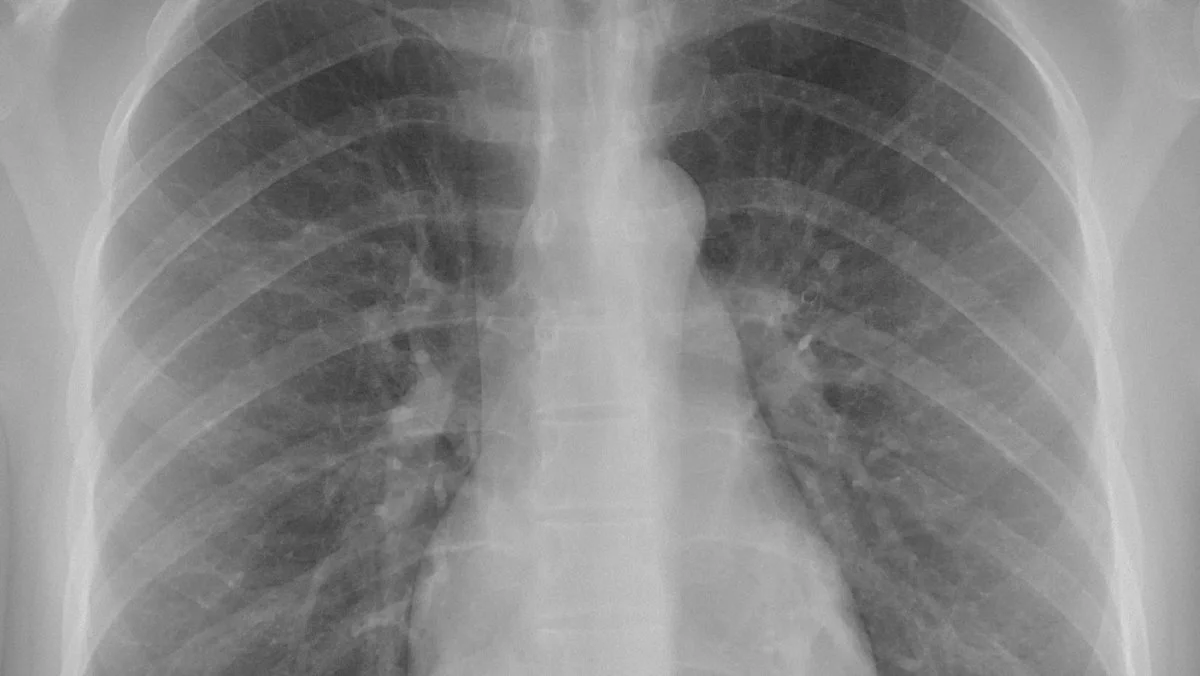
It takes about 3 minutes to get an x-ray of my chest. I can feel the wavelengths highlighting something deadly, at least that’s what it always feels like.
It takes about 3 minutes to get an x-ray of my chest. I can feel the wavelengths highlighting something deadly, at least that’s what it always feels like. It takes me a month to get the test after it’s ordered by the doctor. Everyone says it's better to know now than to allow things to get worse. Still, if I am dying, I’d rather not know. I’d like to go in my sleep— suddenly, and without warning. I'd rather skip the slow days of creeping shadow, of serene instrumentals and the voices of my loved ones morphing into a whispering chorus around me. And then the pricks of needles, squeeze of blood pressure monitors, and the slosh of intermittent morphine like tasteless mouthwash and gone.
My chest aches every time I breathe, punctuation to every position the tech ushers me into. “Tilt Your head up, move Your chin into the padding, a little to the left”. Everything is white except for the computer screen. It’s too cold, and I'm naked under a smock. The thud in my chest morphs into a quick drum every time I am directed, and the machines rising whine fades to nothing and starts again. I feel too short next to the machine, small and unimportant— so much so that an unthinking thing can decide my fate. It only takes a minute to discover something horrible in black and white. When it’s over I stand there a little too long afterward. I flit my eyes back and forth from the computer screen to the tech’s face. “All done honey”, she tells me, “The results will be ready in 48 hours'', She tilts the computer screen towards herself and smiles at me. She doesn’t tell me if it looks strange. I think that the X-ray tech is too nice, the kind of nice people become when someone is fragile, dying or about to receive bad news. She doesn’t tell me I have congestive heart failure like You or Daddy. She doesn't say I’ll die Young or that I have cancer or that my ribcage is collapsing while I stand there looking at her glossy-eyed.
Maybe this pain in my chest is a precursor to a broken heart. My chest aching until something in me finally shatters. Aunt Rita died that way. A few days after she buried her husband, she was buried too, the church choir she used to sing in, standing behind her casket like a holy brigade. Will I die a week after You? Will this kill me? Granny, sometimes I already feel dead. The day after Your funeral I sat in bed awake, breathing too hard and scared I’d see You in the shadows of my room or that the throb in my chest would kill me in my sleep. While night turned to morning in front of my puffy eyes, did I pass the threshold? Gone without even knowing. Did I get my wish? My heart, breaking and then shattering and I am gone before I even notice in a purgatory where I continue to grieve for You day after day. It feels like it. It feels like it. It feels like it. I don’t know if I believe in Hell or karma or anything except that there is someone, and that someone was You. But that would be like my God has died— what is left after that? I know that You were 90 and lucky, that maybe You lived longer because You were a good person despite Your soul food diet and Your tobacco chewing; that Your death is not karma nor Hell nor my God abandoning me. I know that it is just old age, another body that grew tired. I have always hoped for the impossible. It hurts to hope. It hurts to watch a prayer fold in on itself. To remember the 7-year-old me kneeling next to Your head at midnight, silently praying over You. Is God or the Devil or karma or the Universe is laughing at me? Grandma, are You laughing at me?
I know You’d side-eye me like You did when I was little, and I said, “You can’t ever die.” Your mouth would slant into something a little mean and You’d say, “You so funny Pookie, who wants to live forever? People don’t live forever, and You won’t either.”
●●●
I have been bracing myself for You to die since I was around 7 years old. The world would turn upside down and empty itself, shake itself free of Your sunshine. Spill it into the darkness of space.
I used to watch The Nanny late into the night, trying to ignore the roaches that came out as the house darkened and went silent. You were irked by my love for midnight, my small restless body. I liked to shake my feet, curl and uncurl my toes, jolt with every laugh. I was like a small dog, circling my side of the bed until I found comfort. Sometimes, instead of my mindless fidgeting I would scratch at the pale undersides of my feet. The scraping sound would grow louder with the tv, the skin on my feet turning bright pink and splotchy. It was the eczema, which has become a consistent night-time tick of mine. Some nights You would wake up and say,
“Now Pookie, what in the hell is You doin?”
At that point, the tears would already be spilling, my laughs sinking under the weight of the unrelenting itch. Sometimes I’d pray under my breath, look at the white popcorn ceiling and open my mouth wide while I raked at my skin. When You awoke It felt like being saved. I would scratch harder on some nights, move around a bit more in hopes of shaking You awake. It hurt less when someone was hurting with me. When You saw what I was doing Your face would soften, You would say
“Oh babay, You itchen again? You gone scratch holes in yo feet.”
You would waddle slowly to the bathroom, the cobalt blue floral muumuu swishing around Your legs, Your permed auburn curls flattened by the pillows. You would fill that rectangular pink bucket that the hospital gives to new mothers with icy water, along with a towel, and some Gold Bonds powder. The towel would be dunked in the bucket, folded twice and settled atop my burning feet.
“I wonder why You itch so— there must be something wrong, it’s like there’s something under Your skin, in Your blood” it bothered You, You felt bad.
It bothered You so much that the next day You would start to look through those mail-order catalogs. The catalogs featured everything from fuzzy slippers to miracle cures, to Belgian chocolates. You would come across multiple things, pine soap, magnetic graphite bracelets for healing, a detox drink and order them the same day. I remember crying while the towels laid on my feet, partly because of the burning left behind by my own nails, the cool sting, but also because You were there. This had to be milked for what it was. You held my feet through the cold of the towels. Your eyes scanning over me. The way You’d spend the hours worrying. I always wanted more from You, and I always got it. You weren’t like my parents, I didn’t have to beg You for this.
On many of the nights we shared like this, I would be soothed enough to fall asleep. Sometimes I would keep watching TV. Once You had fallen to sleep, I'd turn to You glossy-eyed. I would squeeze my small hands together, hover above Your still body. I prayed that You would make it to 100 years old, when I would be 30 years old. That would have to be enough time to have kids, get married, to squeeze all my important moments into a time where we could share them. I made a habit of scanning Your face or staring at Your chest to see the rise and fall. Sometimes I would pause the TV periodically to hear that You were still breathing. I’d think about the absence, and how it felt to rest my head against your breast and how it would feel to never do it again.
The idea of You gone someplace that I couldn’t comprehend filled my chest and became a pit in my throat every time I watched You walk to the bathroom, muumuu swishing or the stillness of Your face when You slept.
●●●
I don’t remember why. I just remember how angry You were. It was not uncommon for me to irritate You, (for You to tell me I have an attitude, that I'm just like my daddy, and then call me a sweet girl an hour later). I can admit I was not much different from my father in that way. Hurt and sadness spinning into anger, into an attitude that caught fire easily. Like a piece of notebook paper that I would light on the stove just to see what would happen, the flame rushing too fast, disintegrating until suddenly my fingertips are being licked. The sink becomes full of soggy black paper and ash while my heart beats and the air fills with burning. So fast I wonder why I did it. So fast I don't remember the flame coming from the stove, from my mouth, my slanted eyes. I don’t remember what I said, I just know that it was my mouth, maybe that look on my face You always talked about. You were so mad my stepdad walked in and told me to shut up, to go to my room. I didn't talk to You till mama came home from work. “What did You say? What did You say?” I don’t remember, I could ask her now, but I rather not. I just remember saying sorry, I remember how You were more hurt than angry. You gave me the same speech, how You raised me, how I talk to You like You’re nobody. How can I reach back in time and change the way You felt? I meant that I was angry and didn’t know why. That I was sorry I didn’t sit down at the edge of Your bed and watch tv with You anymore. I meant to say that I appreciated You in the way I appreciate mama, that I loved You so much, but I didn’t know how to.
●●●
Do You remember when You were tired of living? When You told mama “I’m ready”. All Your family was gone, the ache in Your body had grown deep and constant. Isn’t it strange how neither of us wanted to be here? The nurse asked if You were depressed, and You said no. The idea was unfathomable. Depression is for those who didn’t fight their way out of their mother’s violent wombs. For those who won’t send a rusty red brick careening into the stomach of a boy who tries to touch them. For those who can’t face their husbands in a black slip dress embroidered with gold and a heavy glass liquor bottle in one hand and swing. Depression is for those who don’t swing. You weren’t depressed, just tired. I guess I understand this, being so tired that You just want everything to end. Not to die, just to rest, a break of sorts. You pushed on for so long, and now I realize I am too Young to be tired, haven’t done enough swinging. That age is just a smolder, leaving you in embers, your glow so much dimmer than it used to be.
●●●
I only ever see it in the photos, the way Your smile became more and more teeth. You look so frail in Your Christmas sweater, You can’t even smile. We do not notice until You are truly dying. My aunts, my mom, and I all look at the Christmas photos I took. It makes my nose burn, eyes fill, shoulders stiffen just thinking of it. How did we not notice? You were so tired You could barely speak. I only remember hearing You say I love You, I think You may have said something about my hair or called my father fat or said hi to my boyfriend. Every time Mama walked by You placed Your hand on her swollen stomach and said “fat”. Maybe You said all of this or none of it, but I know You said You loved me. This was one of the last times You would say it.
A week later You would not be able to speak. I offered You a Belgian chocolate-covered cookie from the red tin that the hospital always sends You. You held it in Your mouth until the chocolate turned to syrup, and Mama scraped the cookie lovingly off Your tongue. We laughed about it in the kitchen, the way You were just trying to be nice in the same way You’d take Mama’s dinner and feed it to the dog when she wasn’t looking. Whenever I visit home, we still laugh about You, Your one-liners, Your advice, Your refusal to say anything quietly or with less than one curse word. We are always holding back tears with a smile or a laugh, we see You in everything. It is a hollow comfort. Even Your granddaughter, barely walking is so much like You. Nyla teeters around the house in circles, throwing toys and babbling in the room that used to be Yours. Such a backward miracle for the IVF to work in tandem with all of our prayers only for You to miss the birth by 11 days. Every time we look at her, we see bits of You. It hurts less to think that between the time of her birth and Your death that You met in passing. To think that maybe there’s nothing left of this world that You have not touched. That is nothing left that we can’t sense Your spirit in.
Arieon Whittsey is a creative from Illinois. They recently graduated from the University of Illinois with a bachelor's degree in Champaign.
Say Goodbye to Hollywood
You’ve fallen in love. A mile long stretch of beach in your favorite season. You did not want to come here. You can’t imagine yourself leaving.
July 2017
You’ve fallen in love. A mile long stretch of beach in your favorite season. You did not want to come here. You can’t imagine yourself leaving. An unfamiliar ocean welcomes you home for the first time. Tiny seashells litter the bay and match the ones rattling around in your heart. This is where you were always meant to be. You’re leaving tomorrow– supposedly– a plane stealing you away like a thief in the early dawn. Tomorrow is a far-off time. You can never come back, not in the way you want to. Not in a way that matters.
There’s a cliff overlooking the shore, about three miles down. You walked there with your dad, both in flip flops that blistered the in-between of your toes, thirty minutes each way. Sitting on the grassy overlook, watching the ants-disguised-as-people surfing and walking the beach, you feel expansive, untouchable. You point out a new mole on your father’s hand, and the reality that waits back home sneaks up on you again, robs you of the ocean’s peace. This trip is for taking snapshots, for memories that can be laminated and ruminated on those days you’ll miss him most. It was one of the best gifts he could have given you.
This place has changed you fundamentally. You were allowed, for one short moment of un-supervision, to want something more than you were scripted for. You’ve grown into more of the person you want to be. You feel more like yourself than you’ve ever been– more than you ever had the courage to show yourself. Quietly, you thank the last magnificent sunset over the ocean, overwhelming your eyes in shades of orange and red. You have to say goodbye. You could never say goodbye. It has become a part of you, snuck up and grew around you in a fond embrace like an old friend. The home you can never have, a place too far from what family should be and what you want yourself to want to be. The part you were casted for has a way of paling in the light of a sunset on the water. There is no way you can have both here. You have to go back, at least for now. While you still feel lost, there’s the contentment that being a sacrificial lamb affords.
Instead you stay at the beach, waves brushing the tops of your feet till dark. Your first adventure, encapsulated in a mile stretch of beach and sand. The longing of wanting to return crashes into you before you’ve even left. It is good that the flight is before the sun realizes you’re gone, the drowsiness of early morning will help to mask the hurt of having to say your last goodbye.

Basil McQuade is a writer in Old Bridge, NJ. They're a long-time member of the Wretched Poets’ Society workshop and Oxford comma fan club. Their work is influenced by grief and the hunt for understanding. They are interested in processing emotion without intellectualizing. You can find them on Instagram (@basilpestofestowrites).
Assignment Pod: The Audio Issue
In our first-ever audio edition of Assignment, hosts Rebecca Dragon and Gillian Kemmerer read a series of poetry submissions from authors Ashley Mallick, Skylar Brown, Nicole Zelniker, Alexander Burdette and Daphne Rose.
In our first-ever audio edition of Assignment, hosts Rebecca Dragon and Gillian Kemmerer read a series of poetry submissions from authors Ashley Mallick, Skylar Brown, Nicole Zelniker, Alexander Burdette and Daphne Rose. You can find Assignment Podcast on SoundCloud, Apple and Spotify. Don’t forget to subscribe so that you never miss an episode!
Full texts of the readings are included below.
The Mother Cult by Ashley Mallick
In the quiet place behind the blue waters of her irises the Earth shifts, quakes,
animals die and are born, writhe from the wood, trill their first words and lay still again.
Under the pale light of her teeth that clang,
set together, slipping inside the firm walls of her lips,
her children lisp their first lessons, call out her name like prayers,
breathe in the sweet, wet, fumes of her hairspray
until their jaws stick and slam closed. Still, they hum the rolling tune of her name,
run tongues over the backs of their teeth,
suck and wonder that they are made in her image.
Her children covet her body. When she walks past,
the fixed crack of her high heels sends them into raptures.
They lie down, whisper to each other that they’ve seen real loveliness. That there is nothing like their god.
Nothing so tall and fine and she takes her steps quick, hard, without thought closes the door.
Leaves them to roll the soft tip of her eyeliner along their lids, submitting to the sacraments of foundation and blush,
running small fingers down the lanes of their legs
sheathed in her dark tights.
They wait for her, for tilting slam of the door at three A.M., the seeping light of morning
fain sleep.
crushed against curtains, they hold their breath,
When she walks past the room
their heads move in tandem, eyes lusting for the deep
curve of her shadow. Mouths full of love words they whisper as their heads soften the pillows,
eyes seeking the gamy dusk behind their lids, minds leaping the steady fence,
lambs at pasture,
limbs weak and shaking, milk steeped.
I Carry My Heart with me by Skylar Brown
I carry my heart with me
very bloody and pulpy thing that it is
you know some days I want to lift it out of my body vomit it out my throat
to sell to the highest bidder
but then I think who would want it
and anyway
the thing is
the real reason I carry it around with me
is that
very bruised and mangled thing that it is
I can't help thinking
once before you wanted it
and
I just keep thinking
maybe you will want it again someday
and so although it is very very heavy
still
I carry my heart with me.
Submergence by Nicole Zelniker
You are born drowning. At the bottom of the ocean, your lungs fill with saltwater and sludge. Anglerfish light the immutable night, bright white spots catching on their jagged teeth and mis- shapen eyes. Fragmented coral litters the gritty floor and cuts the soles of those bipedal.
The journey to the surface is agonizing, but necessary. Your ears burst with pressure and your limbs burn with overexertion. Your lungs beg for rest, for air, unaware that to accept one is to sacrifice the other. It has been decades and you are hardly halfway.
Miles and miles above, on a sailboat not far from the coast, a group of land-born lounge on the deck, beers in hand, life jackets secured snugly over sun-kissed skin. In the hazy light of day, they laugh at the fate of the less lucky and congratulate themselves on never falling over- board.
In The Darkroom by Alexander Burdette
When i was the the heavy feet & the burning eyes trembling fingers &
the wrecked hull of a boat
with the sea rushing in trying so hard to bail
i was ears bombarded &
eyes rubbed raw
the hunch of my back & the ache of my skull
a sub-bass beat in a cave
i was a hole in the ground
& the dirt around
it i was a cry-dying laugh &
a scorched-out match
& i was lucky some days
some very some days
if no one was using the darkroom
Mr. Fitz would let me
ragged & haggard & not 4 hours awake
slip past the curtain
& i’d stop
awed by the change
from Loud & Bright & Busy
& i’d sigh & step in
un-stare
longingly
at the so-gentle dark
that welcomed me in
among enlargers’ ember eyes
let myself be grounded
with my trembling legs
on that sure
cool tile
o that
deep
black
safety & silence
enveloped me
as i rounded the corner
& knelt by the enlarger
tucked most into the curve
(of the black cinder blocks
& the semi-gloss pipes)
knelt
& padded my jacket under my head
& made myself a pillow
& laid my head down
where the photo paper sleeps
the black metal behemoth hunched over my head & i breathed
& it came out shuddering and whimper
breathed
& felt the hot salt tears slide freely past my eyelids which were closed
On the Swingset After School by Caitlin Breen
On the swingset after school
But before their parents get out of work, two girls in sequined Converse
and mall-bright tees lean back
when they reach the peak of the swing, aim their bodies toward the sun
before the arc swings them back,
a practiced motion the younger kids imitate until they can do it too. These girls are six and eight,
the middle of the age range
here, but listen, they are little girls,
which is why it feels like someone hit me
in the stomach when the one asks the other how many calories it burns - playing
on the swingset - and the other
makes a guess. I’m telling you
like it’s now - this was ten years ago, these girls are other people now,
might not remember the conversation they had on the swingset at the after school program where teenagers and education students
with clipboards and STAFF t-shirts kept an eye on them, outside
until dark and sometimes after,
until someone came to pick them up and bring them home. Then again, maybe they do - maybe it burns,
a blaze in the tangle of single-digits, a pin on a faded map, saying:
that road you went on? It started here.
Lotus by Daphne Rose
Allow yourself to start drowning. Here, in the deepest of the shallows, in the mud. Be not afraid, says the caterpillar,
crawling over your knee, but you can’t help it, because the body remembers. Back
to seven years old. Remembers how the bottom of the pool lunged to bite your chin And the water ran up your nose like it
had something important to tell you. How
it hurt when the doctor removed the stitches. It hurt so badly you closed your eyes, but
the tears still leaked out, as though your body was trying to drown itself again, to manufacture its own ruination,
trying to remember, to recreate,
to understand what happened to it. You
still have nightmares of that moment. Of the unrelenting touches of ghostly hands.
As a small child you would waterboard your Barbie doll in cherry Jell-O. You once
emerged from darkness and wet, sticky and
and red and strange, screaming out a love song. Among prophets, this is the golden rule:
life repeats itself again and again.
The golden rule. I did not take care of myself. When I caught you red-handed I kissed each one of your fingers and I let you try again. The golden rule is this: The work praises the man as the blackberry praises the bird as
the jawbone praises the knuckle
as the graveyard praises the corpse
as Jesus praises the Romans.
Your violation made me what I am.
Will you stand in the deepest part of the shallows with me? When we flinch, will our bodies tell us why?
The Bad Goods by Daphne Rose
In the grocery store I
fill my basket with fresh resolutions.
Re so lutions.
Some words just feel good in the mouth. I try to avoid eye contact
with the persimmons.
I’m afraid of what they’ll say to me.
And the barest scrap of attention
will be taken as an invitation.
But I see them still,
from the corner of my vision:
papery leaves, gleaming orange flesh, clambering over each other,
foaming at the mouth.
They stand outside in the parking lot, smoking cigarettes. I taste them. Crisp sunlight and suicide.
I’m shopping for a new way to say “I’m sorry”,
but it’s January now,
and the next shipment of regrets hasn’t arrived yet. It will soon, in the form of unflossed teeth.
Unlost weight.
Too much vodka.
Not enough self-mercy.
The resolutions are on clearance, though,
and the poinsettias, too:
50% off a dollar seventy-five.
Leaves soft and rain-wet, bruised, like lungs.
Alive in the muck and gore and ashes of a bygone year. The poinsettias grab my hands.
The only way out of this is through,
they tell me, in their tender red voices, touching my face. Go on. On.

Job Interview
Wake up. Put on last night’s panties. You have to do laundry later or else.
Wake up.
Put on last night’s panties. You have to do laundry later or else. Make coffee and think about cigarettes. Menthols, in particular. Pet your dog at least seven times.
Remember fucking Ed from the other night. Consider texting him. Remember waking up next to Ed while his girlfriend made coffee. Think about her lips. Your hands on her inner thighs. Almost wet. Then, think about vampires. Is garlic really that bad?
Put on the black Halston dress. Cut the 50% off tag. Grab sensible flats. Wear glasses. Contacts are too much work.
In your head, imagine yourself as Catherine Deneuve in The Hunger. Beautiful, cruel, uncaring. Red lips. Think about Ed’s face and putting your cruel lips on the back of his neck. Wonder if Ed imagines fucking you when you’re not around.
Take your backpack. Contemplate the existential realities that are the MTA. Add time? Add value? Add time. Add time. Add time. The subway arrives late. Text the HR rep that you will be late.
57th Street is a weird place. Walk by a sports bar. People care entirely too much about tennis.
Make up a good excuse for the HR rep. Stalled train. Cops were called. She looks at you with sad eyes. Know this happens enough in the city for your lie to be believable.
Discuss ads. Spends and figures. Look at the editor’s blush pink acrylic nails. Think about Ed bending you over in a tight skirt. In this daydream, you forgot to wear panties. He likes it. In your mind, he fucks you on this very desk.
Pause when the editor says:
Tell me about yourself.
You want to say:
I am an assassin.
I turn into a wolf at night.
My brother is lost at sea.
I am a poet.
Instead, you say:
I am ambitious and thrive on quality teamwork.
Smile. The smile cost $6,000 and four years of braces. You smile so well. Men always tell you this.
The interview goes over time. It’s a good thing. They like you. They ask for creative assets. You forgot to ask about health insurance. Shrug.
You spot your old sugar daddy on the subway. He’s going to Queens. You to Brooklyn. Your outfit is perfect: flared dress, satin shoes, Chanel lipstick he likes. But, like most ironies: he has a girlfriend now. You will feel guilty if you stop to touch his arm. You want to ask for money.
Look for a cigarette. The G train isn’t all that bad. Text Ed.
“I got the job.”
Wait.
Stephanie Athena Valente is a copywriter. She is the author of Internet Girlfriend (Clash Books, 2022), Hotel Ghost, waiting for the end of the world, and Little Fang (Bottlecap Press 2015-2019). Her work has appeared in Hobart, Witch Craft Magazine, and Maudlin House. She lives in New York. More secrets can be found at @stephanie.athena and stephanievalente.com.
Breakfast
You are meeting Drew for breakfast. Drew is the kind of guy you could have been. Drew is a contender; no, strike that, a champion. Drew has arrived.
You are meeting Drew for breakfast. Drew is the kind of guy you could have been. Drew is a contender; no, strike that, a champion. Drew has arrived.
He is ten years younger than you, so you didn’t share a childhood. You know exactly what he would have been like if you had though. A leader. Someone who did well in school and on the playground. Someone who didn’t ask himself a whole lot of questions. A 12-year-old moving forward. Quiet, calm, self-assured, not like the rest of the Wall Street crowd which must at all times let the whole world know it is self-anointed royalty. That must be why he’s eschewed the Perrine Hotel this morning for your meeting. No 88 dollars for two plates of eggs, two cups of herbal tea and bagels with marmalade. No maître d' to pretend so successfully that there is absolutely no other place in the city to have a simple breakfast.
You’re meeting in the Perrine’s shadow in a diner on East 60th Street, Manny’s Coffee Shop, that kind of New York City place. Windows so dirty you lie to yourself that it’s some type of condensation, a form of indoor fog. Ketchup-stained menu on the inside glass, black marker covering last year’s prices, taken down and put back up so many times it’s hanging illegibly from years-old clear tape. A standing sign on the floor in big black and red letters posting the two-egg special for $4.25. You remember college days when you washed down eggs, toast, bacon, and hash browns six or seven times a week with impunity and without knowledge of why cholesterol could be both good and bad.
To your left, you see the grill and the two sweating men attending to it. To your right, you view the grumpy man at the register you assume is Manny. Straight ahead are the counters, four semicircles filled almost to capacity with scant more than the tops of foreheads visible above smartphone screens. Everyone here seems to be a regular except you. And Drew. You don’t care one wit because you know breakfast will be irrelevant. Drew wants to meet with you and this should be big.
There he is, way in the back, saving your seat at the last counter. He’s waving you over, ignoring the annoyed, mole-expanding smirk from the heavyset bleached-blonde woman in the fire engine red outfit with the broach of a yellow school bus atop her bosom. You smile and wave back and head that way.
“Don’t get up,” you say. You put your briefcase down, shake hands and ease into the empty seat. “How the hell are you, man? It’s been way too long.”
And it has been too. You met Drew when you were both lawyers at the same firm. You were a permanent associate, a term of art in New York legal circles that gained currency decades ago when law firms found their greed levels approaching those of the corporate clients they represented. Firms like yours would make fewer partners but they still needed assholes like you to sling paper around.
Drew was a young associate at the firm, a fresh-faced bachelor with the same kind of top six law school pedigree that landed you at the place ten years earlier. But he was different than you, from a different generation. He didn’t hang openly with a gang of lawyer malcontents, complain about billable hours, talk about buying a Dunkin’ Donuts franchise or making an independent feature film in the same conversation. He never once was heard to lament how law school had sprung from a deadly cocktail of indecision and fear. Drew carried the briefcases, did the 2,200 billables a year, attended the firm’s Christmas parties in the financial district, schmoozed the corporate clients and manageD to dress as well as they did. For four years, halfway to what seemed like a certain partnership.
And then Drew did something you unfortunately had not done. He departed. Disappeared. Without warning, without notice, without a trace. You alone knew where he was though because he’d singled you out for communication. He popped into your small office under a cloak of confidentiality to tell you he was leaving to do deals with another youngster from a wealthy New York Wall Street dynasty and to remind you that you were too good for the shitheads in the corner offices. He didn’t actually ask you to come along but you recall that the air had been heavy with the possibility. The irony was apparent immediately back then and it remains fixed in your mind now. You, the malcontented, were still at the firm, capably and whiningly doing whatever was asked of you. Drew, the contented, was gone five years now.
“Whaddaya want?” Drew asks, calling your attention to the gray-haired waitress standing before you. “The eggs are good.”
“I’ll have eggs and rye toast,” you say.
You are distracted by Drew’s appearance and his slurred slang and you momentarily forget that there are more ways to cook eggs than there are types of toast. They both look at you strangely. You add over medium and the placated waitress heads off towards the kitchen.
Drew looks away, maybe because he knows that you’re puzzled, maybe because he’s setting you up for the dramatic delivery. His hair has thinned from mane to mosaic, his face unshaven. His eyes have the kind of deep circles around them that only twenty more years of living or a metal press should have been able to create. No muscles ripple under his suit for he has neither muscles nor suit. He is clad in torn plaid Dockers, beaten brown leather sandals and a dirty white Izod shirt with the alligator’s head obliterated. His voice is shaky, his demeanor similar. It seems that the only thing that hasn’t changed is his height.
“Still at Buckley Warren?” he mouths, shaking his head. “You must be going on your third lifetime there now.”
“Seems like it.”
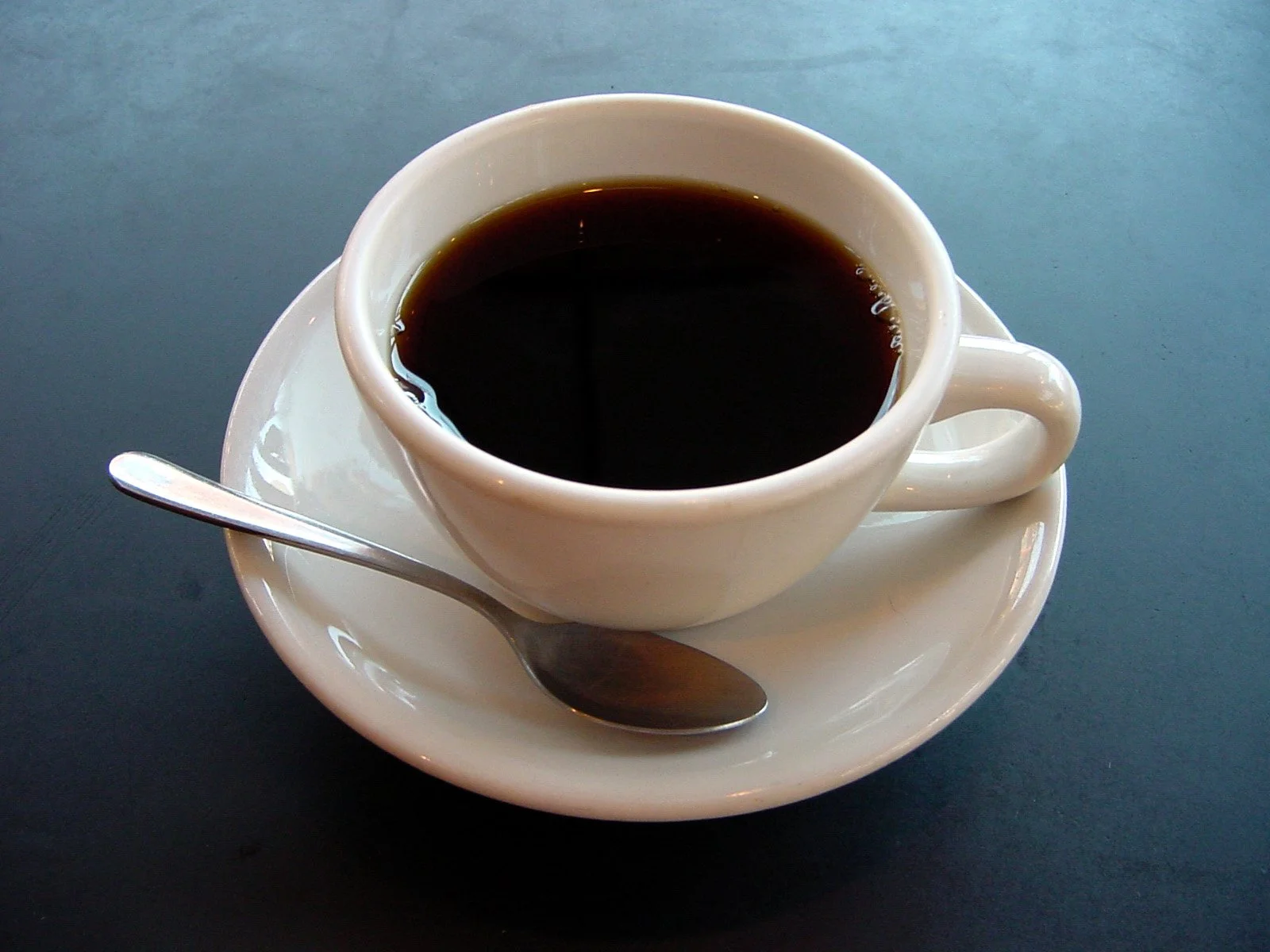
You sip at the black coffee before you. You wonder about Drew. You were expecting him to talk about high technology deals that he might be able to bring you in on. At 45, with your last kid almost through high school, with your 15-year loan on the last legs of its amortization schedule and your wife still working, you have begun fantasizing anew about leaving the third floor at 1110 Avenue of the Americas. And your fantasies have given you a renewed energy, if not the courage that still seems absent. Give me a reason, any reason, you have told yourself lately. It is your last chance at adventure or, if not adventure, good old-fashioned novelty.
The waitress has put down your plate and you are ignoring your eggs. The food is as secondary to a true power breakfast as the ballgame is when taking a client to Yankee Stadium.
“I don’t want to waste a lot of your time,” Drew says. You find yourself hoping he won’t be so quick to come to the point. “I’ve asked you here today because I’m looking for money.”
Your eyes light up, internally at least, because you are prepared for this time in your life. You have been prudent with your investments all your life. Your self-directed pension has blossomed to over 350 thousand dollars, courtesy of Cisco, Microsoft, Amazon, and a technology-laden mutual fund, and your retirement seems assured. It’s these next twenty years that are tricky. You’ve known for a long time that there would come a day you when you might no longer be able to respond judiciously to an assignment memorandum from a partner at the firm. For most of the last year you have known that day is near. That’s why you’ve kept your other monies, three hundred thousand dollars of it, as liquid as liquid gets. You’ve been waiting for the call from someone like Drew. Your money’s good and you’re ready for your first taste of real equity. The fact that Drew looks and smells like he’s spent the last two weeks in a stable with a case of whiskey is sobering but probably explainable.
“I’m not looking for big money,” he continues as the waitress slaps the check down and you swear to yourself that he appears to have pushed it under your water glass. “And you’ll be paid back two or three times over. You can count on it.”
You’ve done a lot of work on the kinds of deals Drew left to do. There were some early oil and gas and shopping center ventures but lately they’ve been all alternative energy, biotech and artificial intelligence. You’ve heard the verbal come-ons of your promoter clients and their coterie describing the 10-bagger and 20-bagger returns of their last five deals. Then you’ve drafted the lists of risk factors in the offering memoranda explaining in the first ten pages why the investments are all likely headed for the toilet. You’re not an idiot and you know your money will be at risk. But you’re willing to take that risk, for the right deal with the right partner, because you so desperately want to be a promoter, a player. You, the risk-averse permanent associate, want to step up to the plate with your three hundred thou and make it three hundred mil. Finally, at long last, you are ready to step out from behind the desk and piles of paperwork and become the client. Drew, ten years your junior, is going to take you there.
“Just what kind of deal are we talking about?” you hear yourself ask as you pick up your water glass, leaving the check exposed.
“Deal?” Drew mumbles. “The deal is this. My wife left me six months ago. Took the baby and the apartment at Park and 95th. I did get the Carrera. But I wrecked it on the BQE in a week.”
He shook his head and looked around the restaurant, then back at me intently.
“Look, I made a ton of money on wireless deals a couple of years ago and rolled it all with the rest of my partners into some Indian Internet stuff. The guy running the show was a freaking genius. I spent six months running back and forth to Mumbai every week. You know what kind of flight that is? And the food sucks, it really does, but it all would have been worth it of course. If the guy was a freaking lucky genius. But he wasn’t, and we weren’t, and the market tanked in the beginning of the year and the bank called in the line and we couldn’t do a secondary. Hell, you know the rest of the story, don’t you?”
You say nothing, just take the deepest breath you can without showing it.
“You were the best damn lawyer at the place,” he continued. “I never understood why you stayed or why the sonsofbitches never made you partner.”
He is talking so fast now that you can’t possibly interrupt. The woman with the mole slides a few feet away to a now empty seat.
“That’s it, my man, I’m nowhere. My wife left ten minutes after the money did. I can’t go back. I can’t go forward. I’ve got a wife who hates me, a kid who doesn’t know me and I need two thousand dollars by tonight or I’m going to have my legs broken. Like I said, I’ll pay you back in spades when and if I can. Am I making any sense?”
You know just what you have to do.
First, you pay for breakfast with a twenty. Second, you remove your checkbook from your breast pocket. After all the risk factors you’ve drafted for years, you know that the only true risk is doing nothing, then dying. You write Drew a check for three, not two, thousand dollars. After all, it isn’t all that much more than breakfast at the Perrine. You have a certain feeling that he’s the kind of guy who will be close shaving again soon. And when he does, you want in on it this time.
PETER BRAV is the author of the novels Zappy I'm Not, The Other Side of Losing, Sneaking In, and 331 Innings. His shorter work has appeared in Black Fork Review, Kelsey Review, Monarch Review, Echo Magazine, US1 Magazine, Mortal Mag, South Florida Poetry Journal, and other publications. He lives on a Central New Jersey farm.

Summertime
I was the girl who played in the mud…
Summertime
I was the girl who played in the mud; coated
school shoes in kindergarten with it;
destroyed my Momma’s walls with my dirt
covered hands; dripped sludge on the carpet;
just because I lived in a trailer didn’t mean
I had to be dirty; sometimes I laid in it;
on the hottest days, it cooled me down into
a slumber; after momma’s screaming, I’d wash
my mud softened hair, watch out the window
while the boys kept playing in puddles.

Heather Loudermilk currently lives in Knoxville, Tn. with her partner and 2 cats. She has a BA from Hollins University. Her work has been published in Still: The Journal, Fredericksburg Literary and Art Review, and Artemis Journal.
You can reach her at https://heatherlloudermilk.carrd.co/ and you can find her on Instagram (heatherlloudermilk).

True Story & The Vagina Is a Birth Pothole
I once had dinner with a man…
True Story
I once had dinner with a man
who gave himself a tension headache from trying to finish— 3 days
after she left his place, he stumbled to the ER, begging,
and all they could say was,
“you can’t try to come
so hard, you’re getting old."
Like kicking in a china cabinet
the moment the sun slips
past the east-facing windows,
the better to warm
the west, leaving the treasure
to fall into shadow.
Fucking stupid, fucking
lost, fucking
how? How
do we live
with wanting as badly
as we do?
The Vagina is a Birth Pothole
An interruption in an otherwise sound element
of the local, state, and federal infrastructures. It forms,
a victim,
of salt and winter.
Of economic depression.
Of willful malignancy.
Of the gods reaching down, forcing a twist of fingers
between legs,
tearing out a plug of skin
and replacing it
with a sci-fi apparatus
straight out of Ridley Scott’s wettest dream. The vagina
is a birth pothole,
folds warping inwards
against each other, rumpled
by February’s violent thrust,
monitored by the various
inspectors and construction crews
unionized for their “work”,
and guaranteed time off
for injury recovery.
The tertiary levels
of government wave
a wand to make
it go away. The Feds pay
someone to act
like the State was supposed
to fix it, argue freely
as the faceless
clock spins out.
Good to know
someone is liberated
around here.

Abigail Kirby Conklin is an educator and writer currently based in Toronto, Ontario. She is the author of the 2020 chapbook Triage (Duck Lake Books), the Substack "Recently," and a variety of other works that can be found in the Tule Review, Sugar House Review, Elevation Review, Lampeter Review, and Wild Roof Journal. She's online at abigailkirbyconklin.us and @akc_poet- ry_prints
Field Notes from a Teacher & Appalachian River
My students learn about the Romans…
Field Notes from a Teacher
As long as a man is at the waters
he is never dead. –Cicero
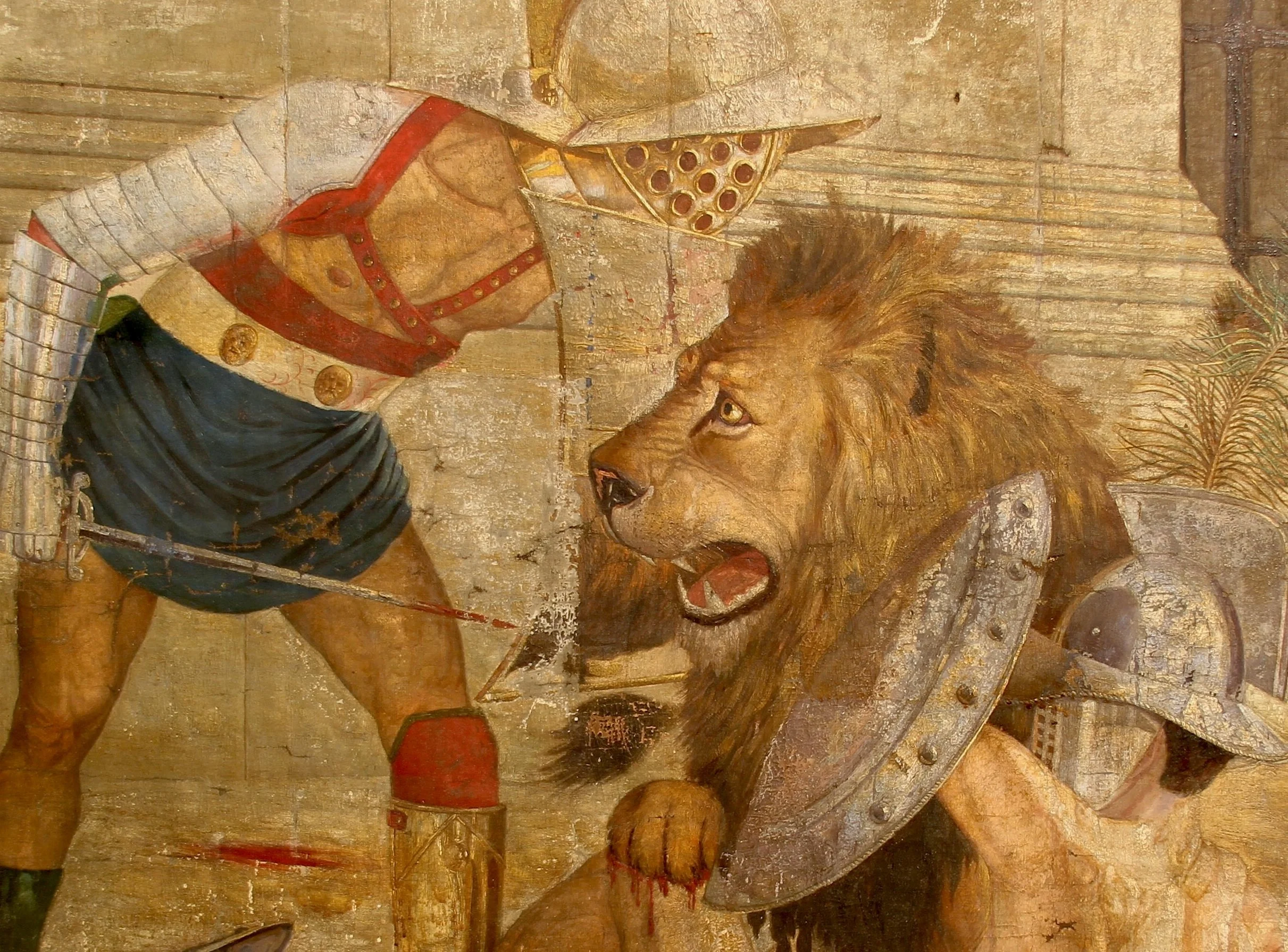
My students learn about the Romans,
gladiators who fought to entertain—
unharmed audiences laughing at blood.
After work, I go to the Swannanoa,
where ripples are like eyes and mouths,
opening, closing, opening, closing.
I wasn’t so aware of patterns
until I started teaching.
I am becoming accustomed to repetition.
I answer the same question
hundreds of times, except sometimes
I’m asked something harder
and I don’t know how to answer.
Why do people fight? Why do they kill?
Now, I watch the river whisper
its waves over dashed rocks
and it’s like all answers live there,
somewhere unreachable
in the depths.
A few of the boys have given up
on wondering, and instead
found repetition more appealing.
They like to play war games,
wrestle and tackle and push
their friends into the muddy field.
There is much laughing
about blood, in our class.
But I am at the water tonight
and tomorrow I’m going to talk
about the Tigris and the Euphrates,
how while the legions fought,
some people would go to the rivers
and find peace.
Appalachian River
All the little streams
that run through the mountains
used to be one river.
The fish lived collectively,
swimming in one home,
among the same algae,
same insects, same stones.
The northern hogsuckers
turned over pebbles
and foraged for food.
Cool water soothed
smooth, shimmering scales.
The chubs built nests
they shared with all
the rest; the shiners dashed
back and forth, a show
of bright illumination.
But one day, a shadow
covered their world in darkness.
The earth split apart.
Blue ridges, shifting rock
tumbled down into the houses
the fish had so carefully constructed.
Divided neighborhoods,
disconnected communities.
Still today, the fish live
in separate tributaries,
swimming in bubbles
that float and drift
toward the surface.
When droplets burst
at the edge of the water,
the fish remember—
how they once thrived.
They survive, now—
on their own, but hear
the whispers of their ancestors,
rolling through the current.

Eliana Franklin is a sixth-grade teacher in Asheville, NC, with a degree in creative writing and environmental studies. She has work published or forthcoming in Pensive Journal, The Tiger Moth Review, and Deep Wild: Writing from the Backcountry. She can often be found outside, writing poetry about her experiences in the mountains she calls home.
Instagram: @artisteliana
Facebook: Eliana Franklin
My Backyard
In my backyard, a lagoon lies broad…
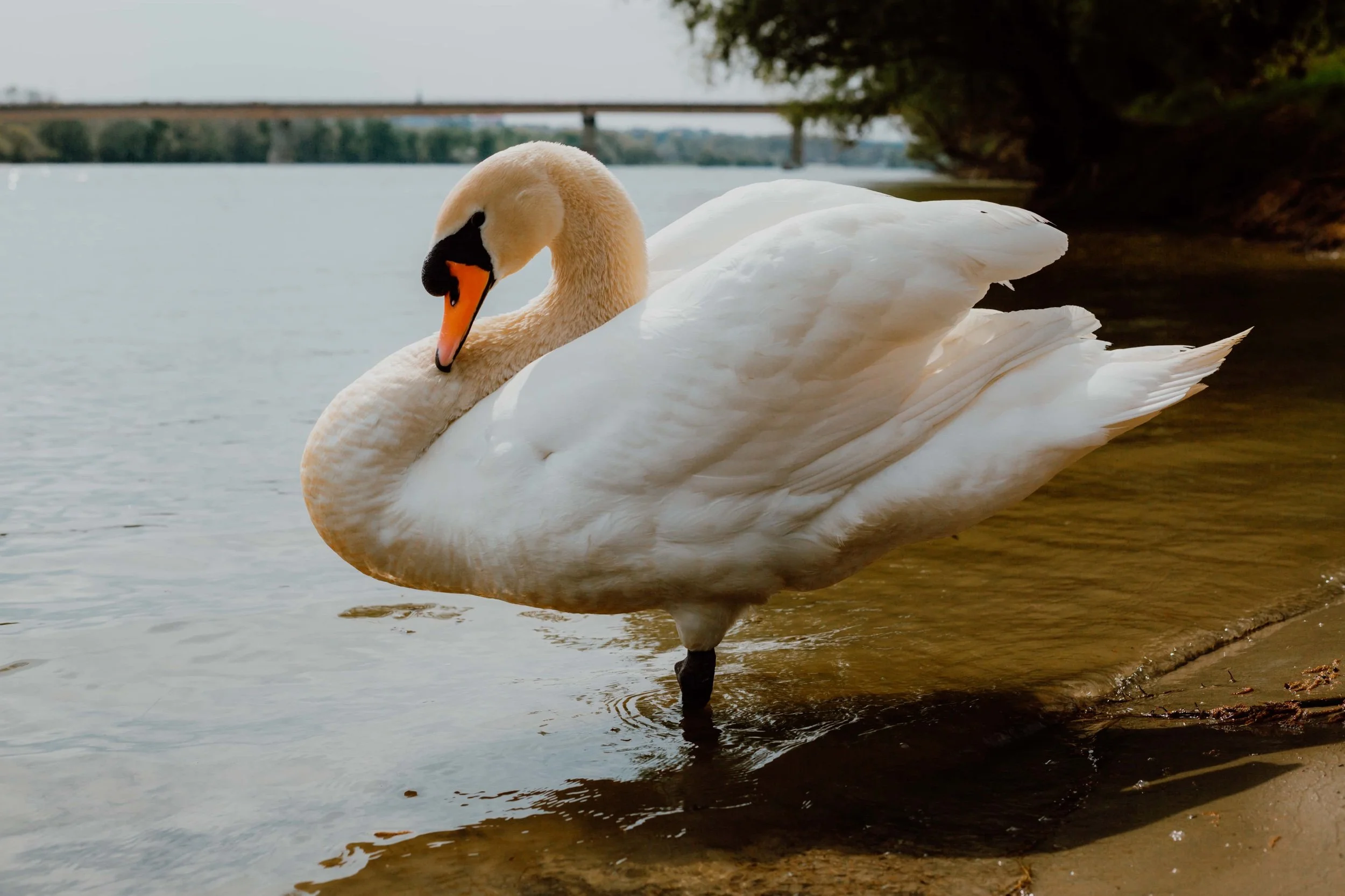
In my backyard, a lagoon lies broad
a paradise for fowl of aqua kind
each season shows a stunning award.
Ducks, geese, herons, and swans appear
touch down delightfully, all day, all year
feasting, mating, sporting without fear.
But this year, something seems amiss
fewer white swans grace the scene
smaller duck flocks sing a lusterless abyss.
Disturbing news spreads far and wide
swans dying, followed by their kin
avian flu causes their numbers to subside.
Ripple effects extend to grocery stores
a dozen eggs now cost six dollars or more
as chickens too fall victim to the same score.
My backyard is a small window
reflecting the bird world on water’s glow
all connected, all affected, in a universal flow.

Born and raised in Beijing, China, Li Ruan is a Manhattan-based educational consultant after spending over 20 years in enrollment management at US higher education institutions. She is an emerging immigrant writer who felt a special calling to write later in life. Writing poetry in English has deepened her intimate relationship with the language and given her the power to promote cultural understanding and peace.
Li’s work has been featured online at Restless Books in New York City, “Humans in Pandemic” of Purple Pegasus, Inc. in California, and FloraFiction in Florida.
You can find Li Ruan on Twitter (@LLr34) and Instagram (liruannyc).
Interview with Sam Keck Scott
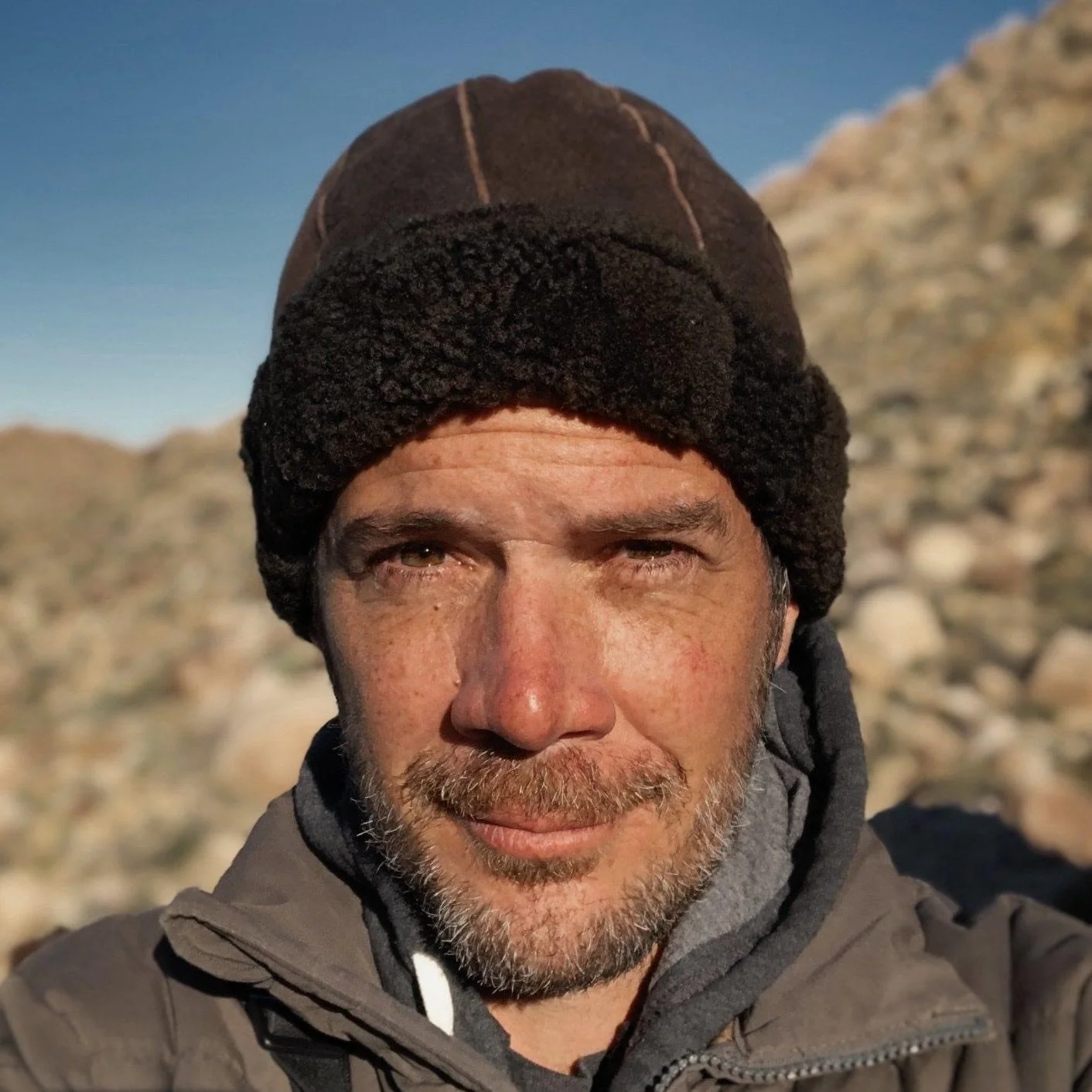
Sam Keck Scott is a freelance writer of both fiction and nonfiction. His work has appeared in The Atlantic,Outside, Popular Science, Orion, Hakai, Longreads, Smithsonian Magazine, Terrain.org, Camas, and others.
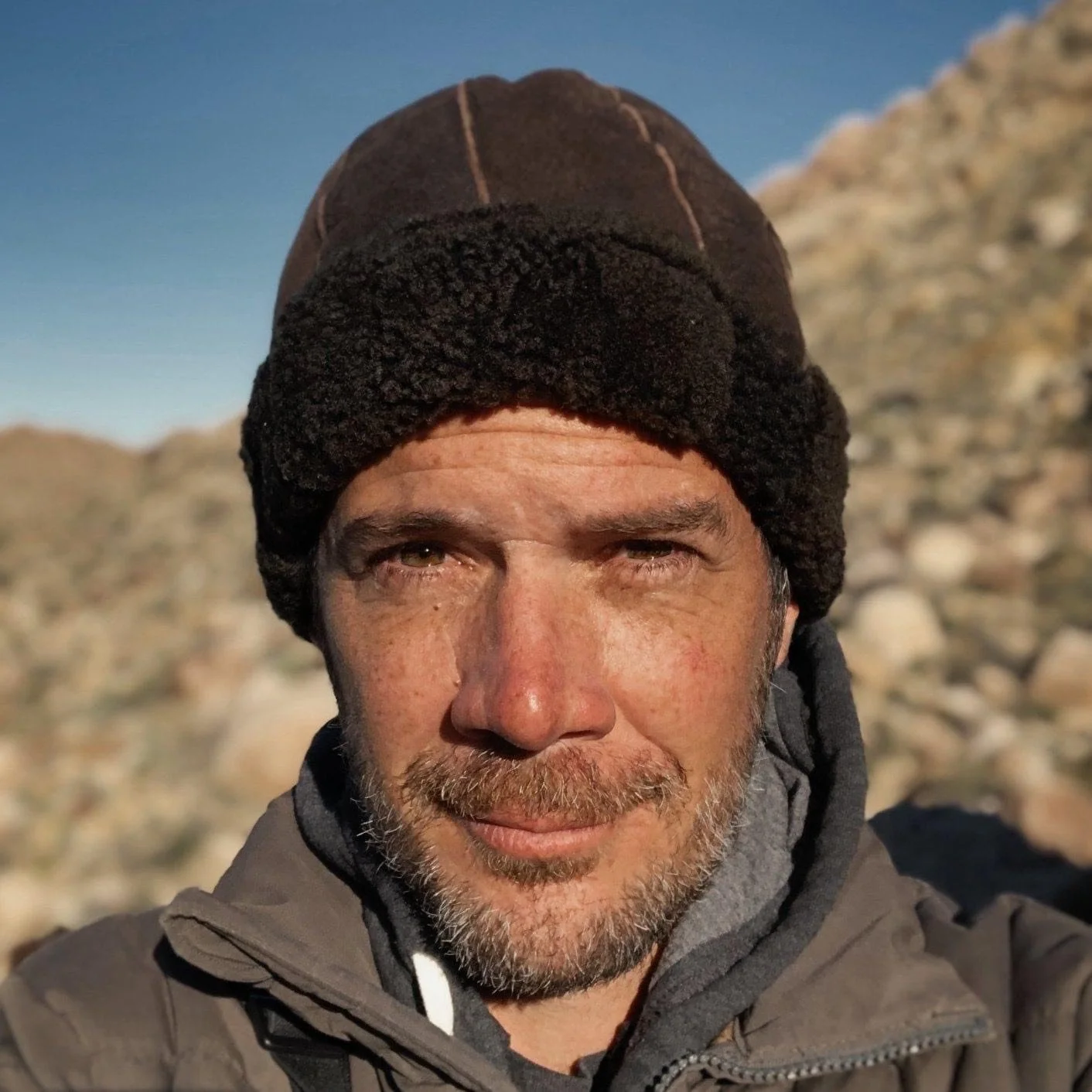
Sam Keck Scott is a freelance writer of both fiction and nonfiction. His work has appeared in The Atlantic,Outside, Popular Science, Orion, Hakai, Longreads, Smithsonian Magazine, Terrain.org, Camas, and others. Sam has also been an author for the National Geographic Society, a Writing By Writers Fellow, the co-author of the children’s book, Sip the Straw, and the winner of the John Gardner Memorial Prize in Fiction. In addition to writing, Sam is a wildlife biologist, conservationist, and avid adventurer. Though currently, he is on a different sort of adventure as a stay-at-home dad to his four-month-old daughter. Sam earned his MFA in Creative Nonfiction from Southern New Hampshire University, where he was awarded the Lynn Safford Memorial Prize for best nonfiction thesis.
I had the pleasure of interviewing Sam about his work as a writer and a biologist. He talked about how the Mountainview MFA program changed his writing routine and process as it applied specifically to his short story, “Dreaming of Water with Tiger Salamanders,” which was recently nominated for the Pushcart Prize. Sam also offered his thoughts on blending a science background with the drive to write.
Trina Peterson (TP): Given your science background, what brought you to writing and an MFA program?
Sam Scott (SS): I’ve always felt drawn to the place where science and creativity meet and the power that art has to make people want to learn about subjects they otherwise might not be interested in or turn away from because something might be painful to look at. Writing has always been my favorite way to try to express some of the urgency I feel about the state of our world and the work I get to do as a wildlife biologist. The trouble was, though I had long felt called to write, I liked the idea of writing a whole lot more than actually sitting down and doing it. I didn’t start writing in any serious way or trying to get published until I was 30, and was never planning on getting an MFA. But in 2019, I found out about the week-long Writing In the Wilderness workshop that Orion Magazine hosts in Arizona, and it sounded cool, so I signed up for it. Orion has long been one of my favorite publications because it so beautifully explores that intersection between science and art, among many others. Amy Irvine, a faculty member at SNHU’s Mountainview MFA program, was my workshop mentor there, and we hit it off. I didn’t have anyone holding me accountable as a writer at that time. She told me about Mountainview and said we could basically just keep doing what we had done for the past week but for two whole years. I left the workshop feeling so inspired and decided to apply.
TP: Did you continue your work as a biologist during the MFA? How did you balance the two?
SS: Yes, but only part-time. Luckily my field biology work is almost all based outdoors, so it was a nice balance to get away from the computer and get some fresh air while working. I was fortunate to be able to afford to work only part-time during the program.
TP: You began publishing before attending Mountainview. How did the program change your writing and the way you got it published?
SS: Before attending Mountainview, I didn’t have a writing discipline and hadn’t learned how to revise and polish yet. I was a bit allergic to the idea of revision [laughs]. I wanted to be able to simply write something and have it come out great on the first go, but as any writer is forced to learn, that’s just not how it works. Mountainview offered accountability, community, mentorship, and a push to keep producing pages no matter how much I didn’t want to. The addition of craft essays immersed me in reading and thinking about writing, and for the first time, writing was at the very center of my life in a way it had never been before. A few years before I applied to Mountainview, I had decided to buy an Airstream trailer and live on my friend’s farm, thinking it would be the perfect set-up for writing. But I quickly found the conditions weren’t the problem. I was the problem. I needed to do something like the MFA to get myself to stop all the distractions and cut through the noise.
As far as publishing goes, the program changed my success simply because being in the program made me a better writer, and most importantly, it made me write! When I graduated, I was able to publish a lot of the work I’d produced in the program and in much better-known publications than before. I felt like a lot was incubated during those two years, and I came out with something to show for it.
TP: Yes! You’ve been nominated for a Pushcart Prize for one of those pieces, “Dreaming of Water with Tiger Salamanders.” What kind of editing process did you go through to get it published in Longreads?
SS: I submitted that essay three different times at Mountainview. I used it for a peer workshop in its original form, which was very different from what it became. And the final version, which was part of my thesis, is exactly what I submitted to Longreads. By the time the editors at Longreads saw it, they had almost no notes, which was a cool experience. It’s much harder now that I’m no longer in the program and have to navigate these revisions on my own.
TP: Right, you had a crutch made of professional writing mentors and peers for two years, and then suddenly, you’re out on your own. That’s got to be scary. Have you had any writing support since you graduated?
SS: I miss that crutch so much! Luckily, I do pass work back and forth with one solid writing friend I met at the Orion workshop. She’s a fantastic editor and has helped me a lot. I call on her when I think I’ve got something where I want it, and then she rips it to pieces, and I think, Wow, how did I not see all that? There are things we can’t see in our own writing. We just can’t. She’s so sweet and supportive and compliments me everywhere she can so that when she eviscerates me, I can still stand on my own two feet [laughs] and not just throw the piece away.
TP: You’re fortunate to still have someone who will deliver those hard truths; your work shows evidence of that. I’m curious about how you seem to meld your science background with artful prose naturally. In “Dreaming of Water with Tiger Salamanders,” for instance, how much research went into that piece versus scientific information you already possessed?
SS: My first draft had no research at all, and I think the piece got a lot stronger when I wasn’t only relying on my anecdotal evidence as a biologist. For example, I knew there had been a lot of habitat loss in the place I was writing about, but when I researched it, I learned that the actual number was 95%, and that figure really jumps out at you. I also learned about salamander mythology and all the different things people thought about salamanders throughout time. I didn’t know any of that until I started looking, and once I learned more, I knew it would improve the piece. I can be lazy and resist research, thinking I just want to write what I already know, but I’ve found that if I’m willing to put in that extra work, it helps make my writing more trustworthy and dynamic.
TP: At the same time, your pieces don’t read like science texts. The narratives are accessible and alluring to a broad audience. Tell me about how you do that.
SS: Amy (Irvine) helped me to understand the importance of incorporating a personal aspect into my writing because everyone is looking for a way to connect to a story and not just to be depressed all the time by hard subjects like extinctions or climate change. You can still write about these things, but by interweaving a relatable human story into the work, you’re more likely to keep your reader engaged, who otherwise might have plenty of bad news fatigue as it is. And it isn’t all doom and gloom; one of my other main goals as a writer is to share the wonderment I feel for this world, and remind people that all is not lost, and apathy is the last thing that will save us. So whether it’s me in the story, or someone else, I always try to make a human connection and not just report from a distance.
TP: I noticed that component in all your work I read, and it comes off as effortless. For instance, one of your blog articles for National Geographic blends marine biology and the destruction of coral reefs with your personal history on a 108-year-old sailboat and subsequent voyage through pirate-inhabited seas to help save the reefs of Indonesia. It is truly fascinating. How did you land the job with National Geographic?
SS: In 2017, I was invited back to a boat I had helped to restore years earlier for a big sailing trip through Indonesia to do coral reef restoration and education projects with a group called the Biosphere Foundation. The woman who runs the Foundation proposed we try to get on the National Geographic Explorer’s blog to document the trip. We pitched them, and amazingly they accepted. I gained access to their blog, which allowed me to post articles straight to the platform throughout the trip. Unfortunately, Nat Geo got rid of the blog about a year later, and thousands of amazing articles from their explorers throughout the years vanished.
TP: That is very sad, and I’m glad I could access one of the Indonesian voyage articles on your website. One of my other favorites is your fiction piece, “Hourglass,”—winner of the 2015 John Gardner Memorial Prize in Fiction. Besides the smattering of marine biology in that piece, how much do you draw from experience in your fiction?
SS: The characters themselves are totally made up, but my brother had a friend in high school with a fatal heart condition, and everyone knew he was like a ticking time bomb and would eventually die from it, which he did when he was only 17. I think that’s where the seed of the story came from. I was young when it happened, but I remember my brother and sister really grieving, so it had a big impact on me. A few years later, my high school girlfriend’s uncle had a heart attack and bit his wife’s finger while he was dying. Those two unrelated things, neither of which affected me very closely, were dramatic enough that they snagged in my brain and ended up in my fiction years later.
TP: One final, crucial question for you, Sam. What should I be reading this semester?
SS: You should read Why Fish Don’t Exist by Lulu Miller! It was my favorite book last year—an incredible blend of biography, natural history, philosophy, and even murder mystery. It’s nonfiction, and similarly to what we talked about before, she does an amazing job of weaving her story into the book. It’s a very cool example of what a book can be.
Sam Keck Scott: https://www.samkeckscott.net/publishedwork
Trina Peterson is a second-semester student in the Mountainview MFA program. She lives in Wisconsin with her family.
Soulmates
Her name was Rickie. She was named after an aunt Rivka in her dad’s family but she found the name, which just meant Rebecca in Yiddish
Her name was Rickie. She was named after an aunt Rivka in her dad’s family but she found the name, which just meant Rebecca in Yiddish, too straight out of the shtetl, so she just went by Rickie. Like Rickie Lee Jones, her mom would sometimes tell people, and we’d smile politely because it seemed like the right thing to do.
One time her mom serenaded us with Chuck E’s In Love, which didn’t really help, to be honest. I asked my parents, and they didn’t know who Rickie Lee Jones was either, but I was used to that. When you’re raised Orthodox Jewish, like my mom was, and you go to an all-girl’s school that you later teach at, and you get married at twenty and start having kids before you’re twenty, you don’t have much chance to be different. I was the oldest of five. My dad, like Rickie’s mom, was a Baal Teshuva, meaning someone who wasn’t raised religious but returned to God. He had great stories that he’d tell my sisters and I before bed, and even better stories that he’d tell me when we went for walks.
My sisters’ favorite story was the one about the horse. My dad loved horses, and he and his brother took a bus out to the country, with all their money saved to an answer an ad they’d read. Some guy was willing to sell them an old, dusty white horse, but the saddle cost almost as much and they could afford one or the other. They chose the horse, figuring they could build a saddle out of the awful leather jacket their parents had given my dad for his birthday. When they got home, their mom threatened to send it to the glue factory, so they sold it to a neighbor.
When we went for walks alone, my dad would tell me things about my mom that I never knew, how she’d always wanted to try lobster, how the smell of it cooking in butter made her momentarily rethink keeping kosher for the first time in her life, and when she was nineteen, she wanted to get a yellow butterfly tattooed on her right ankle. I knew the fact that my dad was newly religious appealed to my mom.
“His love of Judaism is so pure,” I heard her tell my aunt one day. “When we first met, it was like watching a kid discover the kind of small miracles you take for granted.”
Once he told me about a miscarriage my mom had months before she got pregnant with me. “You’re our miracle baby, that’s why we called you Nessa” he said, which means miracle of God, in Hebrew. “Then after you, Baruch Hashem, everything was easy.”
It was a big decision on their part to send me and my sister to a co-ed Jewish high school. He wanted us to us to go to university and have actual careers.
One of my dad’s friends told him that no respectable guy from our community would ever want to marry us if we went there.
I secretly hoped that his friend was right.
When I became friends with Rickie, my parents assumed she was religious because of her name. She was always dressed appropriately in front of them, which made me laugh. After she turned twelve, her parents gave her a choice, so she wore jeans and tank tops, went out on Shabbat and only ate kosher in front of her parents. Her crew of non- Jewish friends from her neighborhood called her Becky. I never corrected them.
She had a birthday dance party in the basement of a kosher restaurant, but all I told my parents was a kosher restaurant so they let me go.
There was a dinner set up upstairs. Rickie walked in, wearing a short satin-y yellow dress, and her black hair pulled back with a red hair band. I always thought she looked a little like snow white, but tonight, with her skin looking extra pale, and her lips shellacked red to match her hairband, she really did.
I looked down. A few days before, I told Rickie I had nothing to wear, Rickie brought me a whole wardrobe of clothes like the best friend in a sitcom to try on. In the end, I wore my own white t shirt, her jeans and a jacket that I wore all the way zipped up.
I shellacked my cheeks with green Jerome Russell body glitter and the first thing she said when she saw me was that I was the shiniest person she’d ever seen.
“Is that good?” I asked her.
“Of course. When I think of you, I always think, sparkling, and now other people can see it too.”
Rickie sat beside me, and ordered a million things, matzoh ball soup, grilled chicken on a bun, fries, pastrami sandwich, and took a few small bites of each, then said she was full.
I ordered chicken fingers, like I always did when I ate there.
I used to always get wings in a basket with fries, but one time when I was younger I ordered it and accidentally swallowed part of the small bone.
We were with our next-door neighbors, and I’d done this thing of breaking off a small piece from the middle of a piece of breadbasket bread. The mom embarrassed me in a way that confused me at first, pretending she was empathizing ‘I know it’s kind of a fun thing to do’ when really she was calling me out. She leaned in when I started choking. Maybe she thought I was faking it. She told me to settle down, but I couldn’t breathe, and I couldn’t talk. My parents rushed me to the ER, and we never socialized with them again.
I tried to eat as daintily as she had, but I kept dropping my chicken fingers, and she kept laughing at me.
Later that night, we hung out with her other friends, at a park near her house and I got drunk for the first time. After they left, we were sitting side by side on the bridge of a big jungle gym.
She’d lost her hairband and eyeliner was pooled under her eyes.
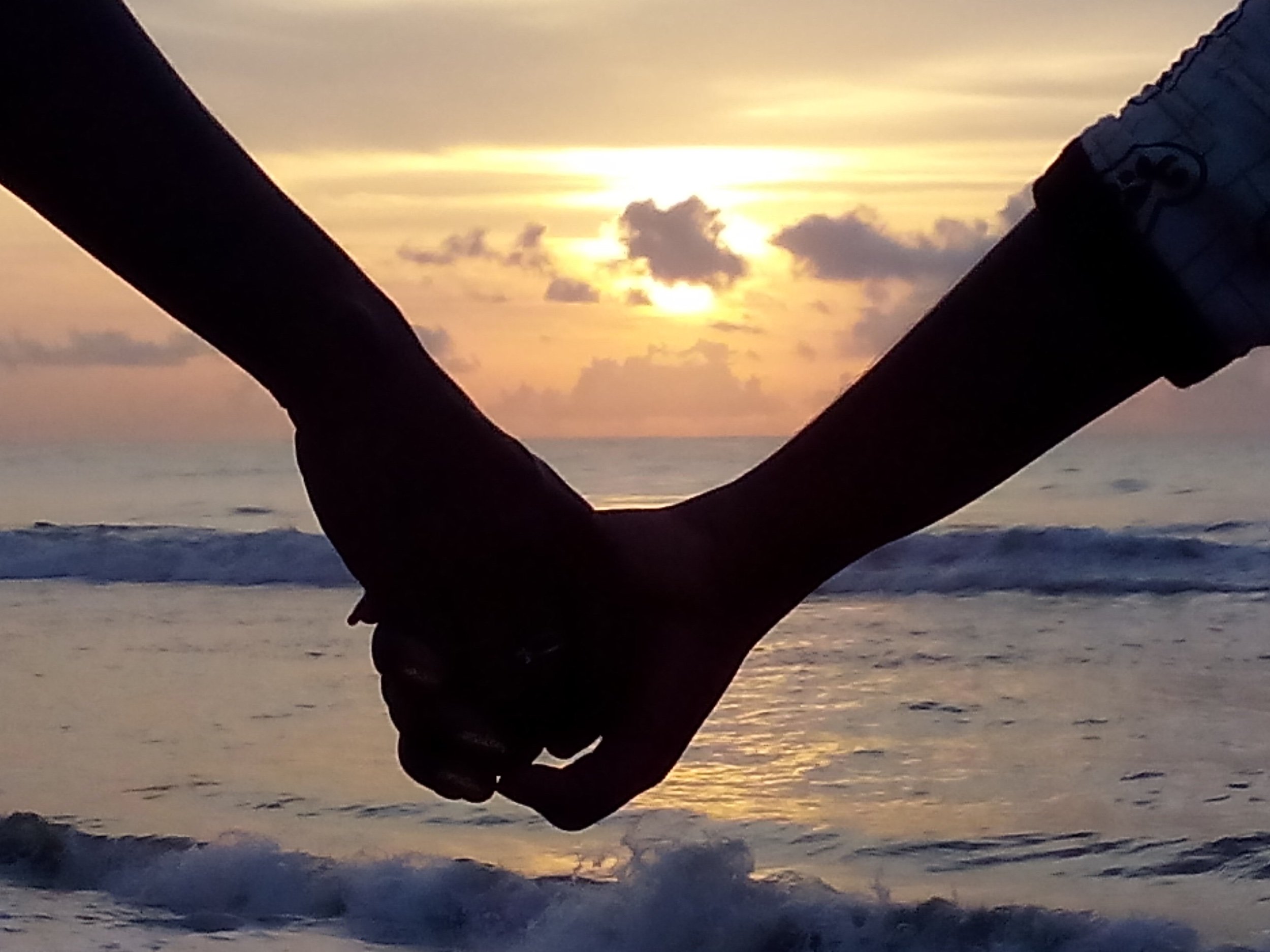
“You’re so beautiful,” I said, and she kissed me. Her lips were soft and felt electric. For a few minutes, it felt like there was glitter in my bloodstream. It’s rare when something you’ve imagined for ages turns out better in real life. I wanted to take a thousand photos of her, of us, of the playground, anything so I could keep replaying how it all felt. This is what a real miracle feels like, I thought.
I started to talk, to try to tell her that but she leaned forward and threw up all over the big plastic red slide. I leaned in and tried to hold her hair back.
After that, I walked her home but nothing else happened. When we got to her door, she thanked me for being such a good friend.
I thought about it as I walked back to my neighborhood. I thought about my parents and figured it was probably just as well. I had no idea what they would do if they found out. Moving me to a more religious school where I’d be surrounded by all girls didn’t exactly seem like a punishment. I knew they wouldn’t know how to deal with it. They lived in a world where gender roles were so prescribed. Even their personal tastes were like that. My mom loved lace and romance novels. My dad didn’t think women should drink beer. My mom wouldn’t let me drive until I was eighteen. I knew I wouldn’t be able to fake it forever. I knew one day I wouldn’t be the daughter that they wanted.
We didn’t avoid each other after that, but we didn’t talk about it either. She’d hug me, and for a few minutes after, my clothes would smell like the vanilla amber perfume oil she rolled on her neck and in her hair. It was important to her that we still acted like friends. I didn’t want to be a creep that hung all over her, all love struck and desperate, so I kept my distance.
I focused on school. I babysat my siblings. I let my mom sign me up as one of the babysitters at our synagogue’s Shabbat daycare. I even went on a few awkward dates that my mom’s matchmaker friend set me up with. My lack of interest made me seem pious and modest, so naturally they all wanted second dates, but I refused.
My mom wanted me to go to seminary in Israel for a year, and I agreed, knowing that I planned to drop out after a few weeks and move in with my not religious at all cousins, who’d already agreed to it.
My cousins lived in Tel Aviv, and they figured me out right away, even when I was too afraid to say it.
They took me out to bars, gay bars and dance clubs. I went to my first Pride Parade.
I went out on real dates. I had sex for the first time. After almost a year, I finally had a girlfriend. Her name was Linnea, and she was Swedish, and not Jewish. She was doing her master’s at Tel Aviv university in public health.
A few months later, I got a message from Rickie. She was living in Jerusalem now, going to a seminary.
She wanted to meet up, and I was shocked when I saw her. She was wearing a floor length denim skirt and a loose, striped long sleeved blue and white shirt, even though it was ninety degrees out. Her dark hair was shorter and pulled back in a messy ponytail.
“You look so different,” she kept saying. “You look taller.”
I was dressed casually, shorts and a green tank top, so my tattoos were all visible. I had a small rainbow tattoo on my right inner wrist. I got the small butterfly on my ankle that I knew my mom would never get. I hadn’t spoken to my family in months. I had a line from a Fiona Apple song across my left shoulder, in beautiful, looping script.
“Be kind to me/or treat me mean/I’ll make the most of it/I’m an extraordinary machine.”
She didn’t ask me anything but I found myself blurting it out, desperate to see her reaction.
I told her all about Linnea. “She’s so smart, and interesting. I never thought I’d meet someone who would love me too.”
She looked sad. “Everyone has a Jewish soulmate,” she said, and it sounded absurd and laughable, like that 80’s animated movie I saw as a kid, All Dogs Go to Heaven.
“So if my girlfriend was Jewish, you’d be okay with me being gay?”
She shook her head, started to talk, then stopped herself.
“I’m getting married,” she said, and looked me in the eye for the first time.
“Wow. Mazel tov,” I sputtered.
“Who’s the lucky guy?”
“His name is Chezi. Short for Yechezkel.”
“Wow.”
“How well do you know this guy?”
“Pretty well. We’ve gone on three dates. I know all the stuff that matters. I met him after I went on a date with his friend.”
Her eyes light up for the first time. “He was this guy from Brazil, so cute and so interesting. We went out twice, and the first time he told the matchmaker how much he liked me. I have no idea what happened.”
I wanted to tell her that everyone gets rejected, that it was ridiculous to marry someone’s friend just because the person you wanted jilted you. Instead, I reached over and hugged her.
I expected her to flinch, but she didn’t. She pulled me closer and told me I smelled fresh, like the ocean.
We stood there for what felt like hours, hugging each other. She kissed me on the forehead, and it still felt a tiny bit magical, like a stray piece of glitter that I couldn’t wash off no matter how many times I tried.

Danila Botha is the author of three short story collections, Got No Secrets, and For All the Men (and Some of the Women) I’ve Known. Her new collection, Things that Cause Inappropriate Happiness will be published in 2024 by Guernica Editions. She is also the author of the award winning novel Too Much on the Inside which was recently optioned for film. Her new novel, A Place for People Like Us will be published in 2025.
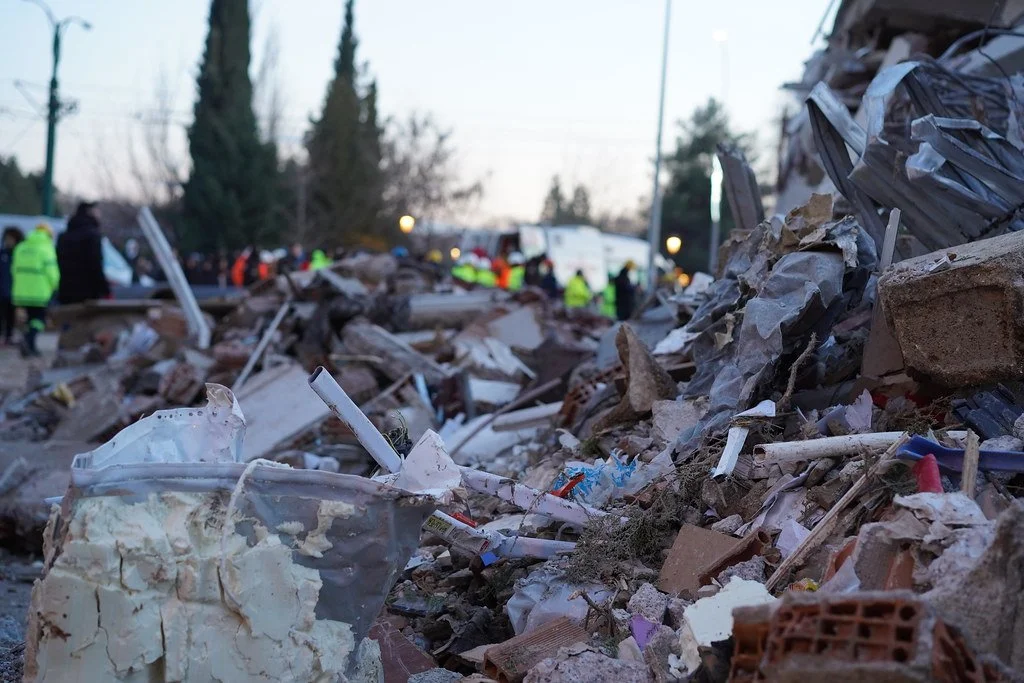
Poem for Turkey and Syria
Walk passed: glassy sea
Walk passed: glassy sea
Silent black
a cry
Dust of air
whiten alga under rubble and rubble
*
Earth
Crushed shattered
Solemnly / in bleaches
Flash / alive
Lying / mumbled: pray
In wait
*
Boulder
Within: among: the last embrace
Whispers / fragments to dawn
Faith rounded in air—

Shih-Min, Sun lives and writes in Taipei, Taiwan. Her work has appeared and will be presented in publications including, The Academy of the Heart and Mind, Dadakuku, Rural Fiction Magazine, Wordpeace and has been selected for Atlanta Review 2022 International Poetry Competition in Merit Award. She started writing while working abroad, inspired deeply by family, teachers, and friends. She loves writing as a way to interpret still life and scenes of bond through language.
Visit her on Instagram: @aura_a_u_r_a
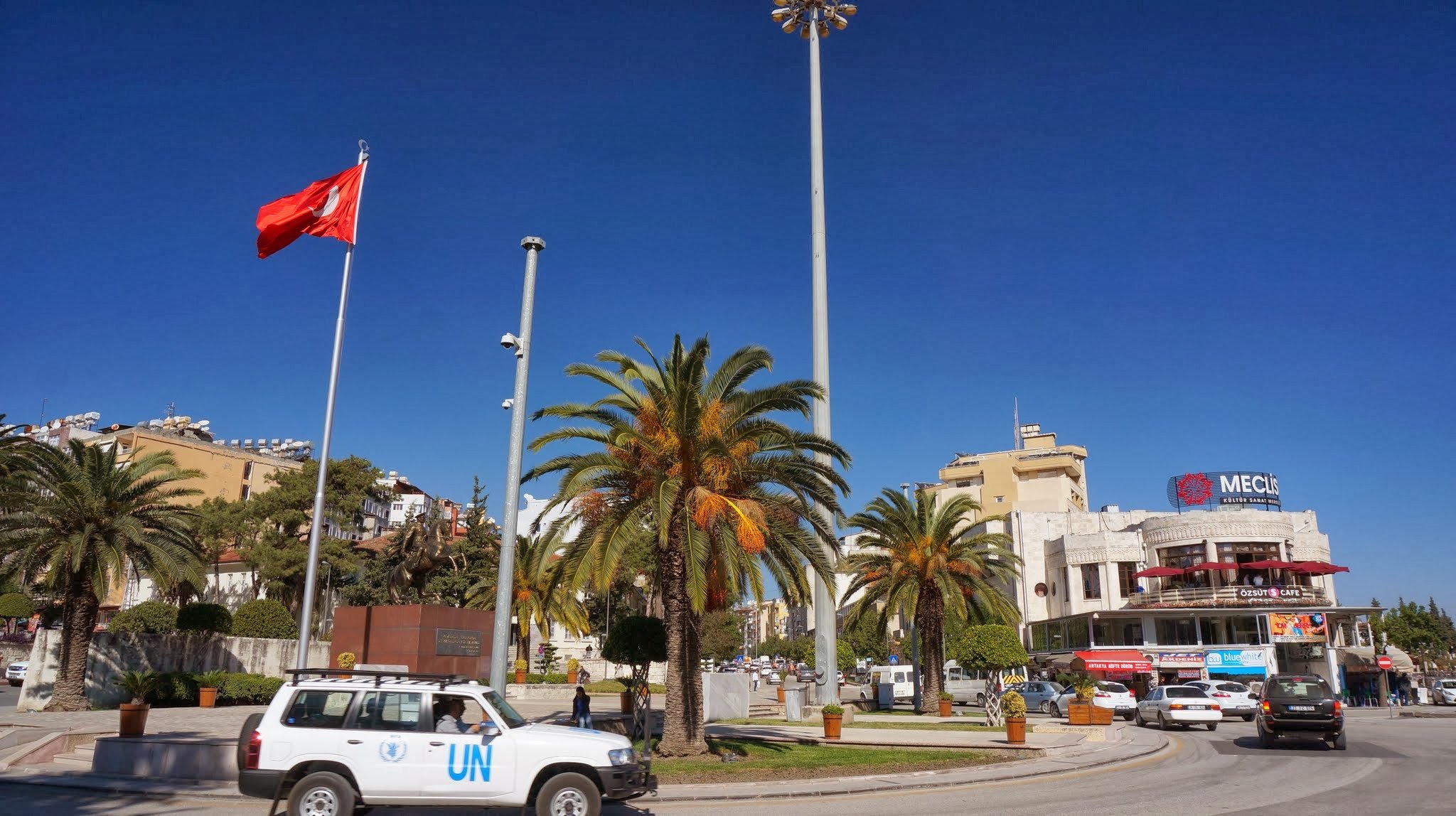
For Antakya
You hear the strays at midnight bay…
You hear the strays at midnight bay.
They own the parks. They know
suffering from the smell it gives,
the soup lines, the moldy bread
stacked in shattered bakeries.
Petrhaps they’re lucky.
Your avenues are filled with glass
and cutlery, kindergarten paintings
of quarter suns, blue clouds
drifting over notebook paper.
In a sidewind an old man twists,
wondering what happened
to his jacket, his closet,
his granddaughter. One moment
they were there, the next the plaster
cracking, the dust, the end
of most known things. To be there
was to know dying precise.
Beneath you the earth still moves,
still seeks to readjust itself.
You say it’s done enough, you say
your old man sleeps tonight
on cardboard and no longer
feels the fracture in his arm.
Carl Boon is the author of the full-length collection Places & Names: Poems (The Nasiona Press, 2019). His writing has appeared in many journals and magazines, including Prairie Schooner, Posit, and The Maine Review. He received his Ph.D. in Twentieth-Century American Literature from Ohio University in 2007, and currently lives in Izmir, Turkey, where he teaches courses in American literature at Dokuz Eylül University.
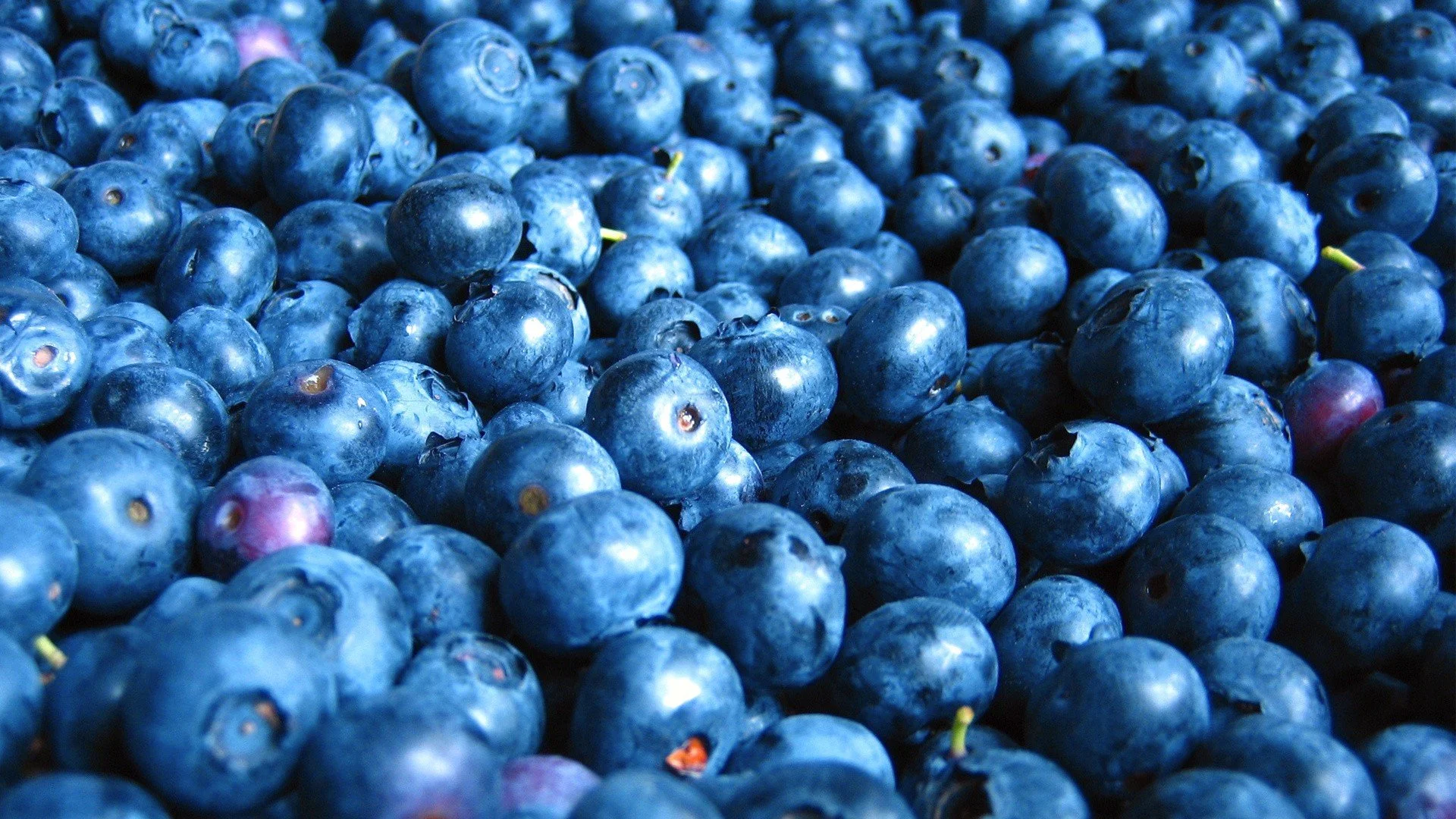
Blueberries
She’s rotten as a blooming girl…
She’s rotten as a blooming girl,
trapped in past glory, blindly swirls.
The last radiance of the setting sun
outruns her persistence.
Through the walls of tiny high heels,
The smile of the burlesque conceals.
Birds chirp, flickering cigarettes concedes.
She feeds peanuts to rats.
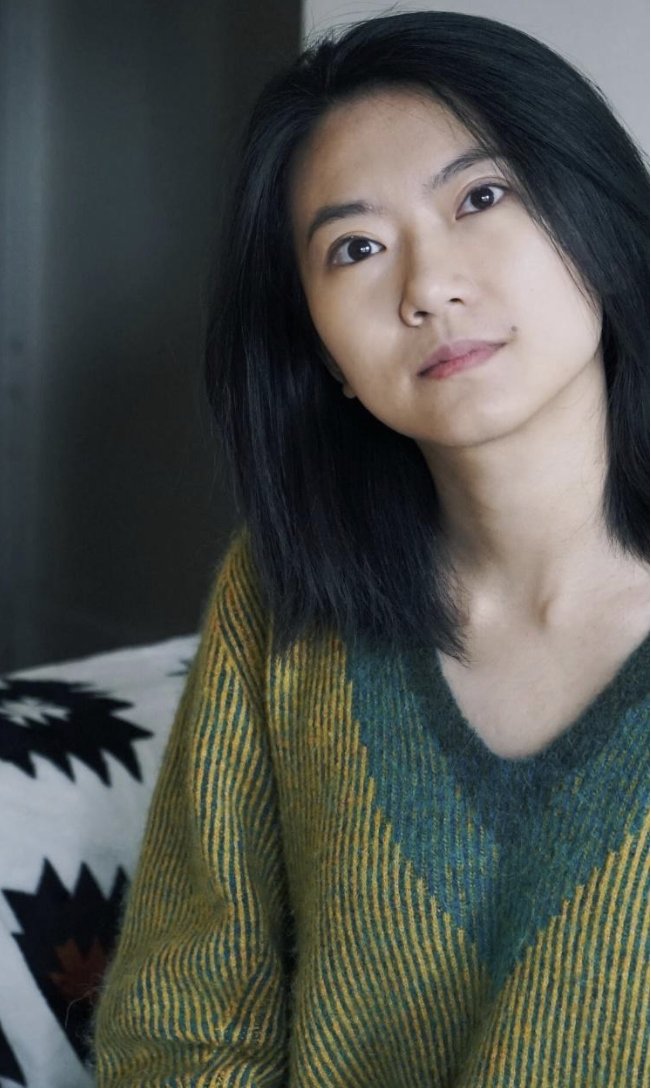
I’m Huang Chen, a Chinese American and a creative writing graduate student at Harvard Extension School who will get her MLA in May 2023. I have worked in a high school for a few years, interned at Regal House publishing, and am currently interning at Metamorphosis Literary Agency. I also write Middle-Grade Fantasy and New-Adult Magical Realism fiction.
Straight Bussin: Reflections from the 33
Being a pedestrian in Los Angeles is like showing up uncaffeinated to a classroom of seventh-graders.
Being a pedestrian in Los Angeles is like showing up uncaffeinated to a classroom of seventh-graders. Not an impossible pursuit, but certainly a challenging one and likely to rouse the not unfounded concern of everyone who already questioned why you uprooted yourself across the Pacific Ocean to come to this smoggy, starstruck city in the first place. Perhaps one of the questions that I’ve heard most often since moving here is, What do you mean you never learned to drive?
To that I say, well, I never needed to before. Growing up in China was not quite the dystopian communist nightmare as western media, both liberal and conservative, paint it to be. Just like America, we have our fair share of income inequality too. But disregarding the free- market reforms embraced in the post-Mao era, China remains a collective culture at heart. In my thirteen years in Shanghai, I witnessed the city’s metro system expand from three lines to thirteen, tunneling at breakneck pace across the urban underground. Public transportation was a recognized common good, an economical boon for swaths of middle-class commuters, and a cleaner alternative to the fuel economy, which was prone to gas-guzzling the air quality index literally off the charts. Never mind that the city was eight times the size of Manhattan, if I needed to get from one arcane end to another, there would be a way. And if not, then the municipal authorities would make a way, and no, they did not care if the ever-delightful symphony of subway excavation intruded upon your backyard.
Spoiled by this combination of comprehensive transportation infrastructure and government overreach, I found Los Angeles challenging to say the least. Thankfully, Westwood was stocked with nearly all the possible grocery stores, commercial necessities, and frivolous distractions that a young college student would need. Should I have a sudden craving for a scenic hike or authentic Asian food, I could always seek the kindness of friends with cars. Of course, given my inherent personality and inherited trauma, the last thing I ever wanted to be was a burden to others. So, rather than obtain a license and registration of my own, I did the next reasonable thing and memorized all pertinent bus schedules.
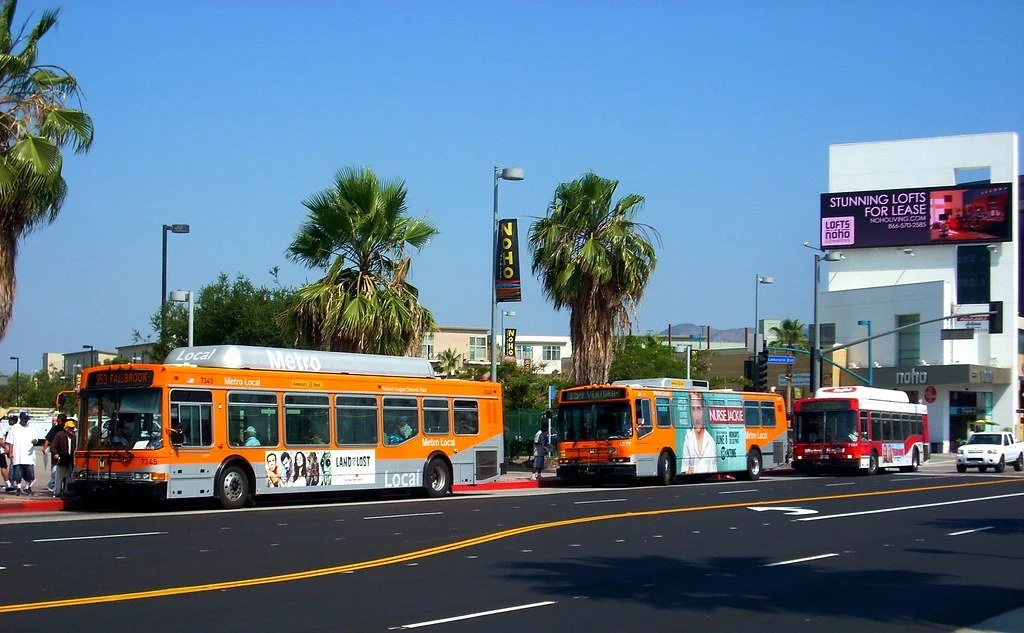
I could tell you how to get anywhere from campus. Spontaneous beach day? Take the Big Blue Bus 2 to Santa Monica, the 1 to Venice. Headed to Korean barbecue? Walk to Wilshire/ Westwood and hop on the 720. Need to go downtown? R12 to Rancho Park Station and then board the train to 7th Street Metro Center. Of course, your commute might take twice as long compared to driving, but you would’ve just spent that time finding parking anyways. Yes, public transport was crowded and rife with unpleasant smells and passengers of questionable intoxication levels. Yes, it ran late more often than not. Sometimes, a bus that was due to arrive in one minute would disappear from the route the next time I checked Google Maps. In those instances, there was nothing stopping my two feet. Let the story of how far I’ve walked for a cone of ice cream be recorded here for historical posterity (4.7 miles to be exact, thank you West Hollywood Salt and Straw).
Honestly, the car-free life is workable. Like in Shanghai, there is always a way to get where I need to go. I just have to be clever, tenacious, and occasionally outrageous about it. But what I view as indefatigable street savvy, my friends see as a stubborn refusal to adapt. Los Angeles is impossible to survive without a motorized vehicle. These are the terms and conditions of the city. I had signed my acceptance the moment that I showed up with a suitcase and a student visa. So, Jemma, when are you ever going to get your license? Half the time the question is uttered in concern, half the time as a joke in droll acknowledgement that the day might never come.
Even after graduating college, I did not cave. I was just starting a career in public education. I could not afford a replacement for my outdated iPhone, let alone a car. Thankfully, the school I work at is only a short bus ride away from my apartment. Mondays through Fridays, I board the 6:54AM bus heading west towards Venice. Once, I overheard the bus driver training a new hire. He muttered that one’s a regular, and I knew that I had made it. No matter the early morning congestion or claustrophobic crowding, I am now, as the youth say, a ridah.
And they said it because they saw me. I know the children of the commute, both on my roster and off. The ones I teach directly would smile– nervous and polite– whenever we made eye contact. It always amuses me, the way they overshared to me within the classroom, but seemed so hesitant outside. The others, faces I recognize but do not know beyond the bus, are too shy to speak to me directly. But I see their darting eyes, hear the indiscernible mumbles to their friends around them. I am probably overthinking how much their adolescent brains are fascinated with the sight of me on the bus, this liminal space where I had neither the obligation to act as teacher nor freedom to fully inhabit my off-campus self. These kids catch me in the interstices of schoolyard and street, and in that, I acknowledge a certain vulnerability. Would they hear my grumbling, cuss-ridden phone calls after lousy workdays? Would they witness my raw discomfort as I brushed off catcalls from men who lounged in the backseat? God forbid, would they see me forgo my independent reading book to Instagram-stalk strangers?
Even students who walk or carpool to school know of my public transit exploits. Several have come up to me in class chirping, we saw you waiting for the bus yesterday! then produce photographic proof of me to confirm it. Once, I was at the stop when one of my eighth graders hollered a greeting from her passing car window, prompting her well-meaning mother to offer do you need a ride? The kid was mortified, but not as much as I was when, after kindly refusing, her mom pressed on with when are your parents going to pick you up?
I don’t fault her for the confusion. I have the face of a sixteen-year-old and often get mistaken for an eighth grader within the halls of Twain. Against the throng of high schoolers also waiting impatiently for the 33, I am virtually indistinguishable. I wonder sometimes if taking transit draws even more attention to my youthfulness, which so often thwarts my attempts to command the respect of students and colleagues alike. I have once been asked by a student, are you just not old enough to drive yet? And if not age, is this just another glaring indicator of the chasm between me and mainstream America? I am not ashamed of my upbringing, but there are moments I tire at constant reminders of all the ways I grew up different.
But as with so many moments of past alienation, I find solace and fragments of common ground between the pages of the much-loved books. In Pride and Prejudice, after Elizabeth Bennet walks three miles through the English countryside to attend to her sick sister, Mr. Bingley’s snobby family scoffs at her muddied dress: she has nothing, in short, to recommend her but being an excellent walker. But it is Lizzy’s foot-slogging, decorum-flouting determination that makes her our heroine. Likewise, in Fahrenheit 451, Clarisse brags that her uncle was arrested for being a pedestrian. What’s that mean? Ethan asks the day we study that chapter in class. Joey answers, it’s someone who doesn’t use a car.
Oh, like Ms. Tan.
I nod. And why would that be illegal?
A pause, before Elodie reliably answers, Because it’s not normal. Everyone in this society wants to go fast with technology. Not having a car goes against that.
Ms. Tan, is someone going to arrest you? Jordan jokes. Better get your license then.
I laugh with him but maintain my ground. I like not having a car, I insist, hoping I don’t sound so blatantly defensive of both the obvious inconveniences of pedestrian life and Bradbury’s on-the-noise critique of modern consumerism. Yes, it can be slow and inefficient. But you notice things more. You pay attention.
Just as I have taught them, they demand evidence for my claims. So, I tell them how one night some anti-vaxxers, upset with the recent public health mandates, vandalized the pavement outside the staff parking lot. The graffiti remained unnoticed until the next morning when I mentioned it to our custodian. None of the other teachers or administrators had even realized. And that’s why we don’t have fake news written on the sidewalk. The kids concede a shrugging makes sense to my anecdote, and I figure that’s the best I’ll get today. There are other ways to resist in this city; they don’t have to be walkers to take it to the streets.
Lately, I have found myself on the receiving end of reluctant commendation. The same friends that scoffed at my carlessness now bemoan ever-surging gas prices. You were smart not to get a car, they begrudge, in this economy? And yes, I’m not so saintly as to not derive a little pleasure from their griping– I’ve earned it after years of tolerating their furrowed brows and cavalier judgments. Although my bank account thanks me daily, the truth is that public transportation has never been a bottom-line matter for me. Rather, it is a reminder that though I came to this country alone, I am part of something more than myself. The bus lines are arteries that connect me to the beating pulse of this city and its people who have become my people. This commute is community.
As we pass by boulevards of purple jacarandas and streetside taquerias, I sit on a fuzzy green seat and flip through sheafs of “I Am” poems from my students. The road is not an ideal spot for grading, but when my phone exhausts me of distractions, it is nice sometimes just to read. In her trademark scrawl, Sasha has penned straight bussin, I am a rider of the 33, and I grin as I decipher it, her buoyant spitfire nearly leaping off the page. I find my pen, carve out a corner in the margins. Me too.
Jemma J. Tan was born in Singapore, Made in China, and now calls Los Angeles home. She was the 2020 Veritas Forum/Augustine Collective commencement speech winner (published in COMMENT magazine), a 2021 finalist in the CRAFT Literary First Chapters contest, and a 2022 Summer Fellow at the UCLA Writing Project. In her spare time, she teaches seventh grade English.